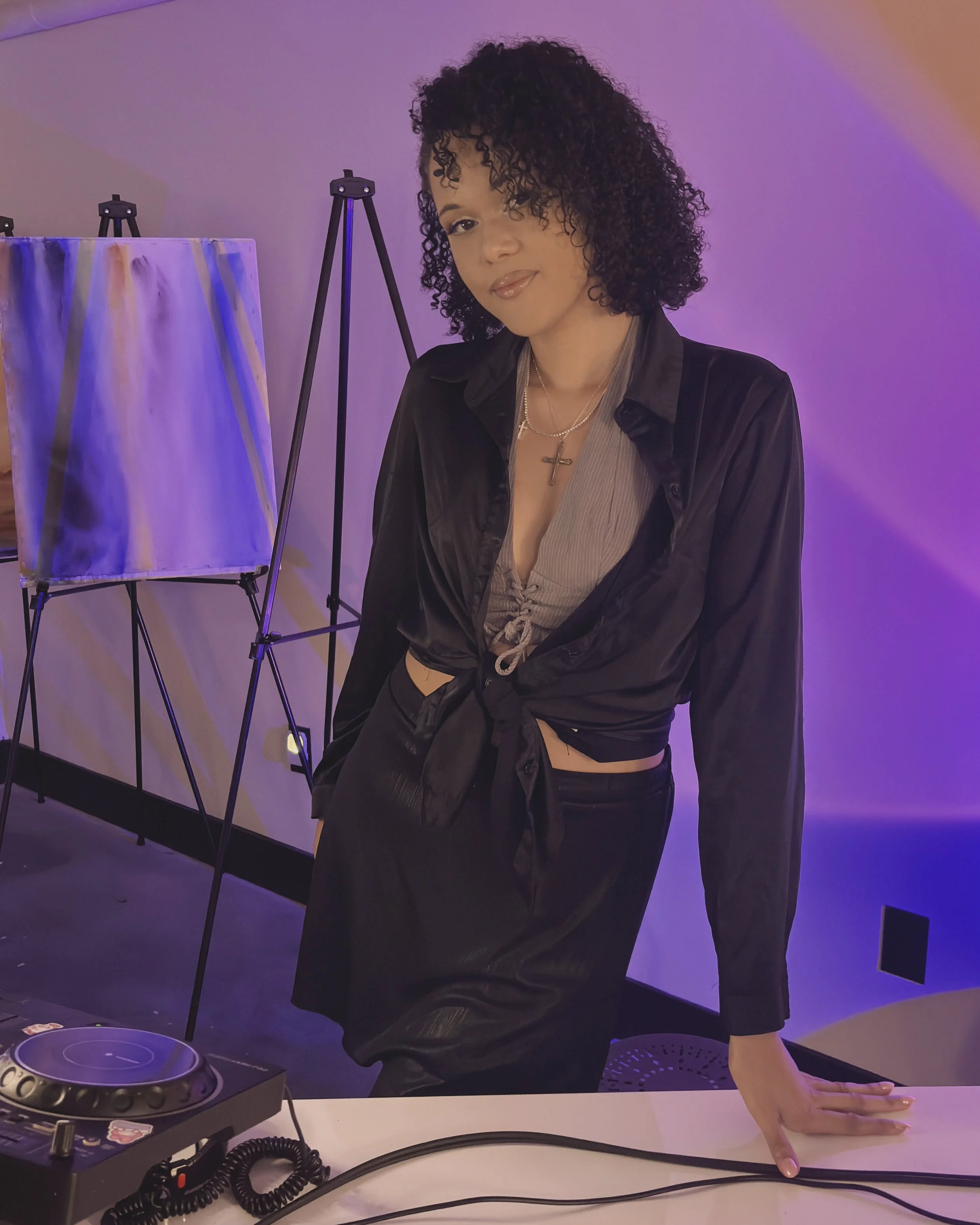
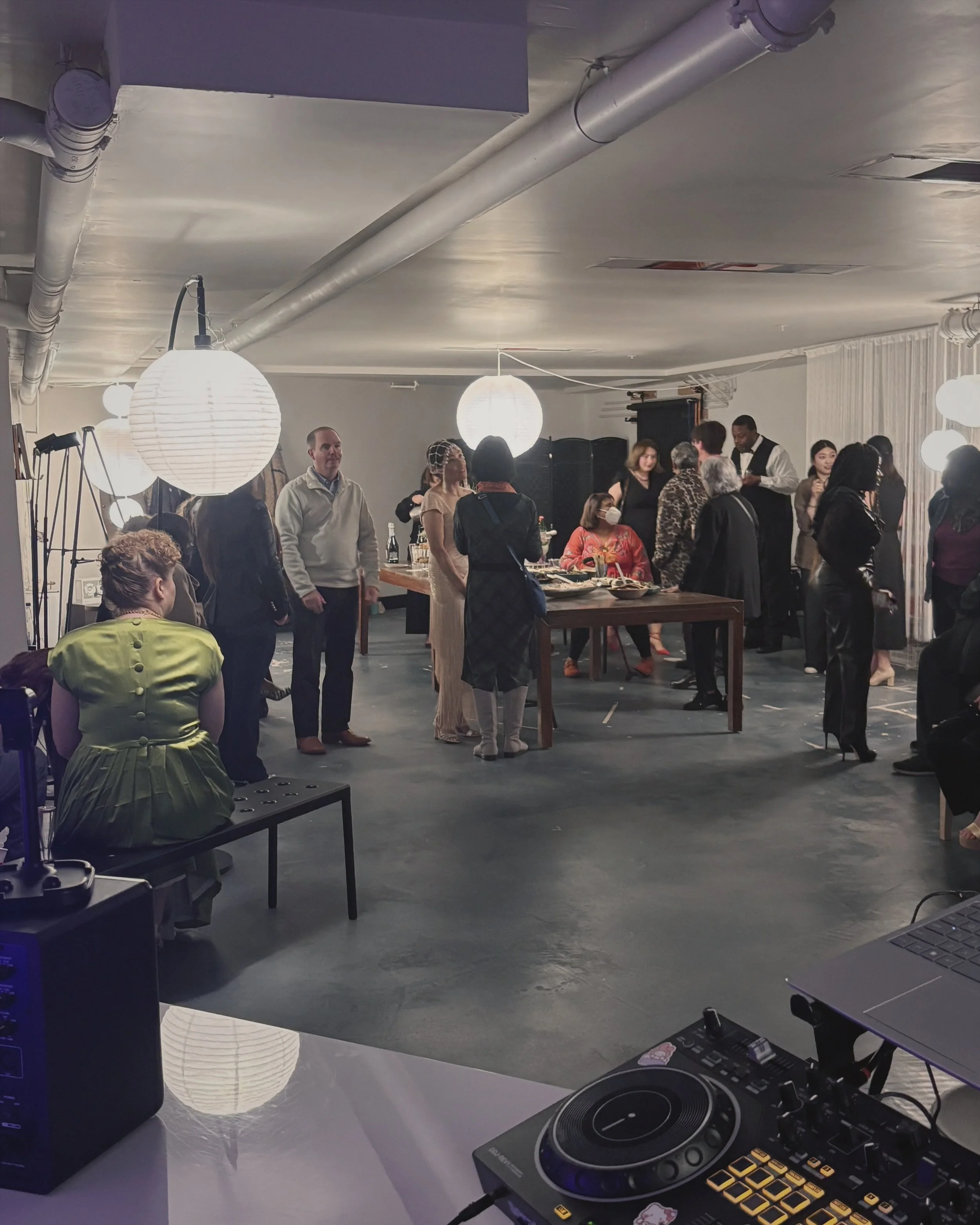
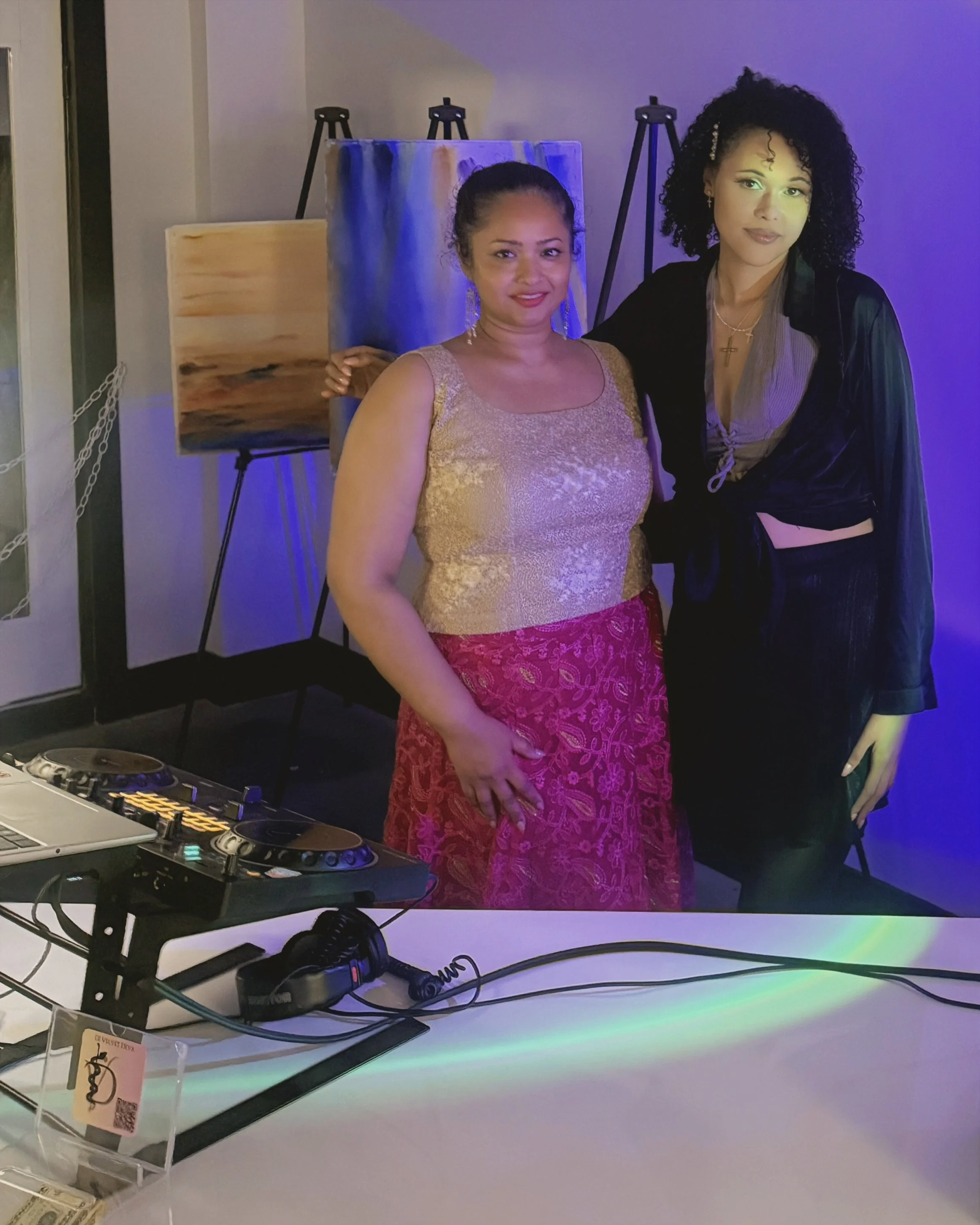
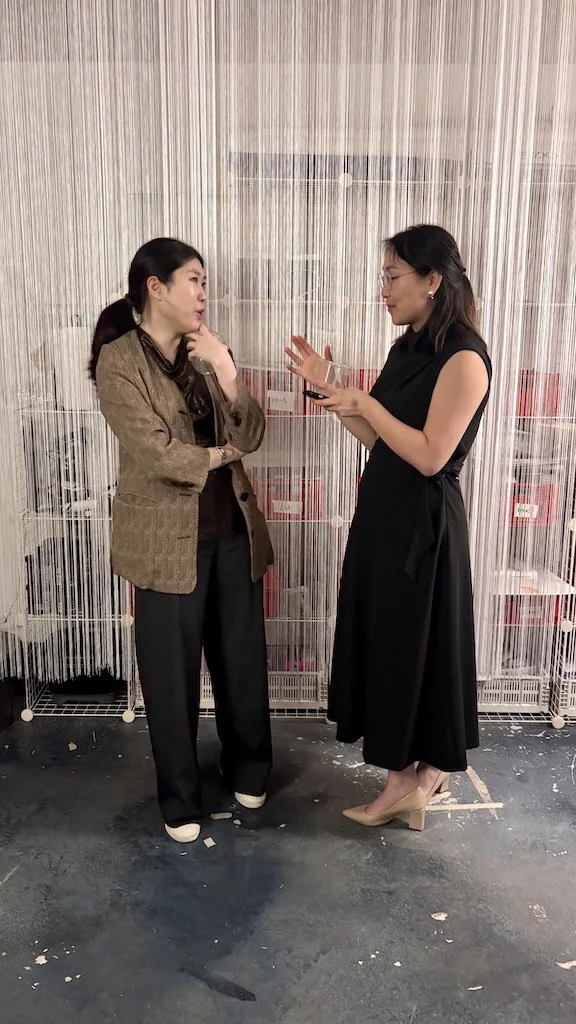
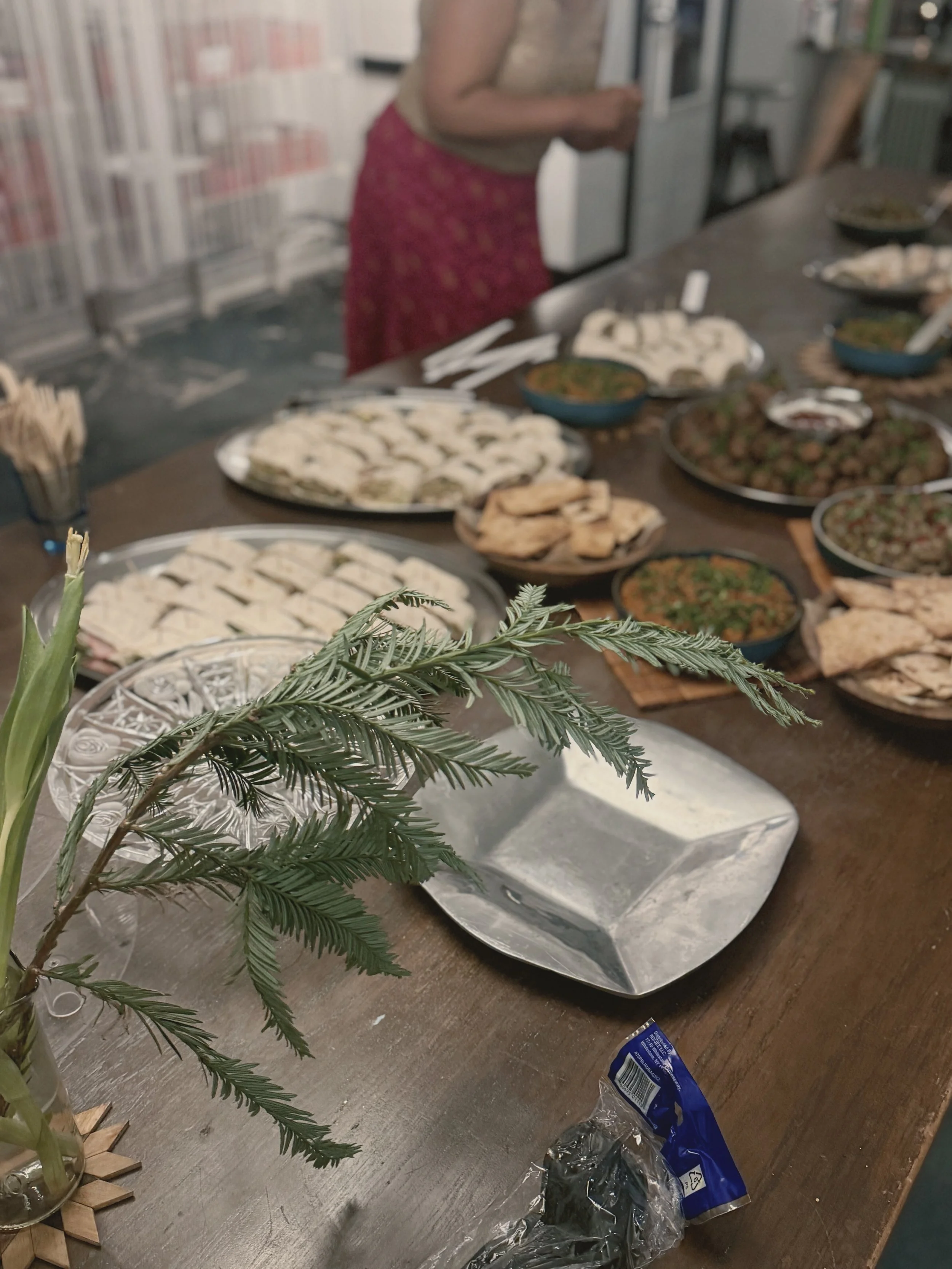
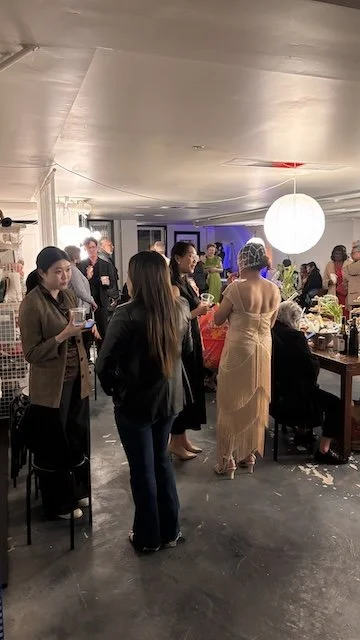
AUTUMN 2025 EVENT
Jazz Listening Lounge AT MICHELLE THOMAS FINE ART
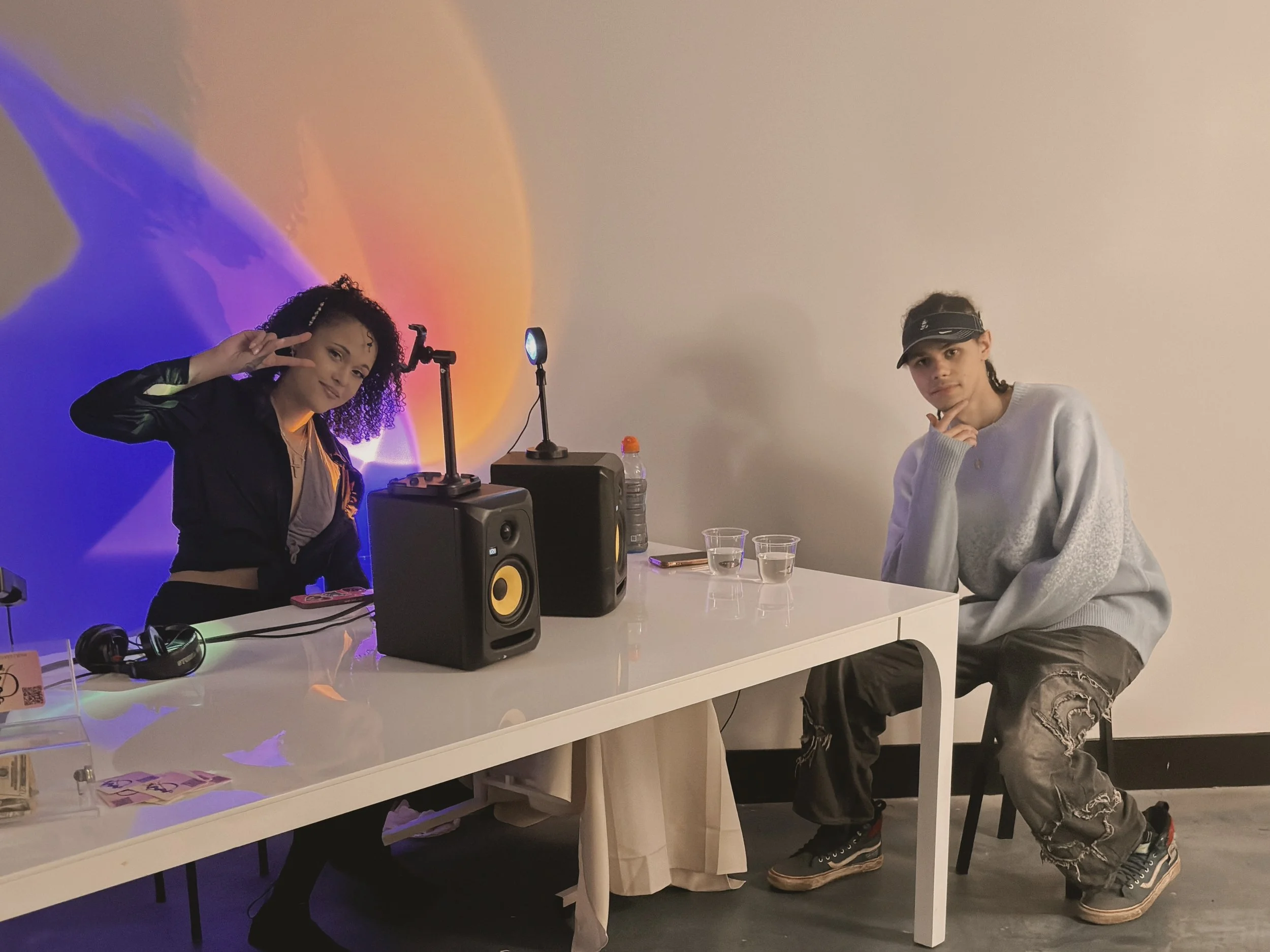
by DJ VELVET DEVA
December 27, 2025, 6:30-10p
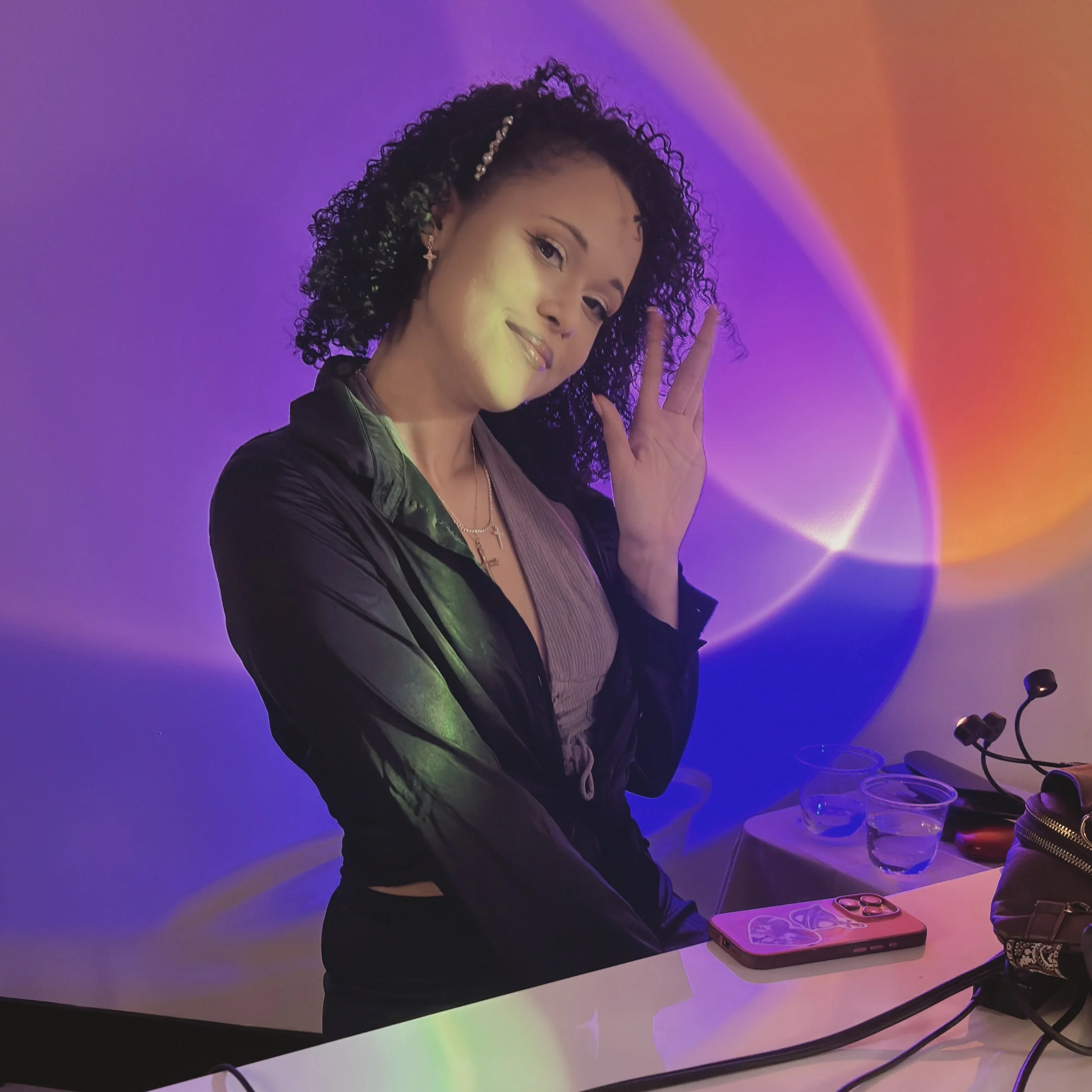
FROM DJ VELVET DEVA
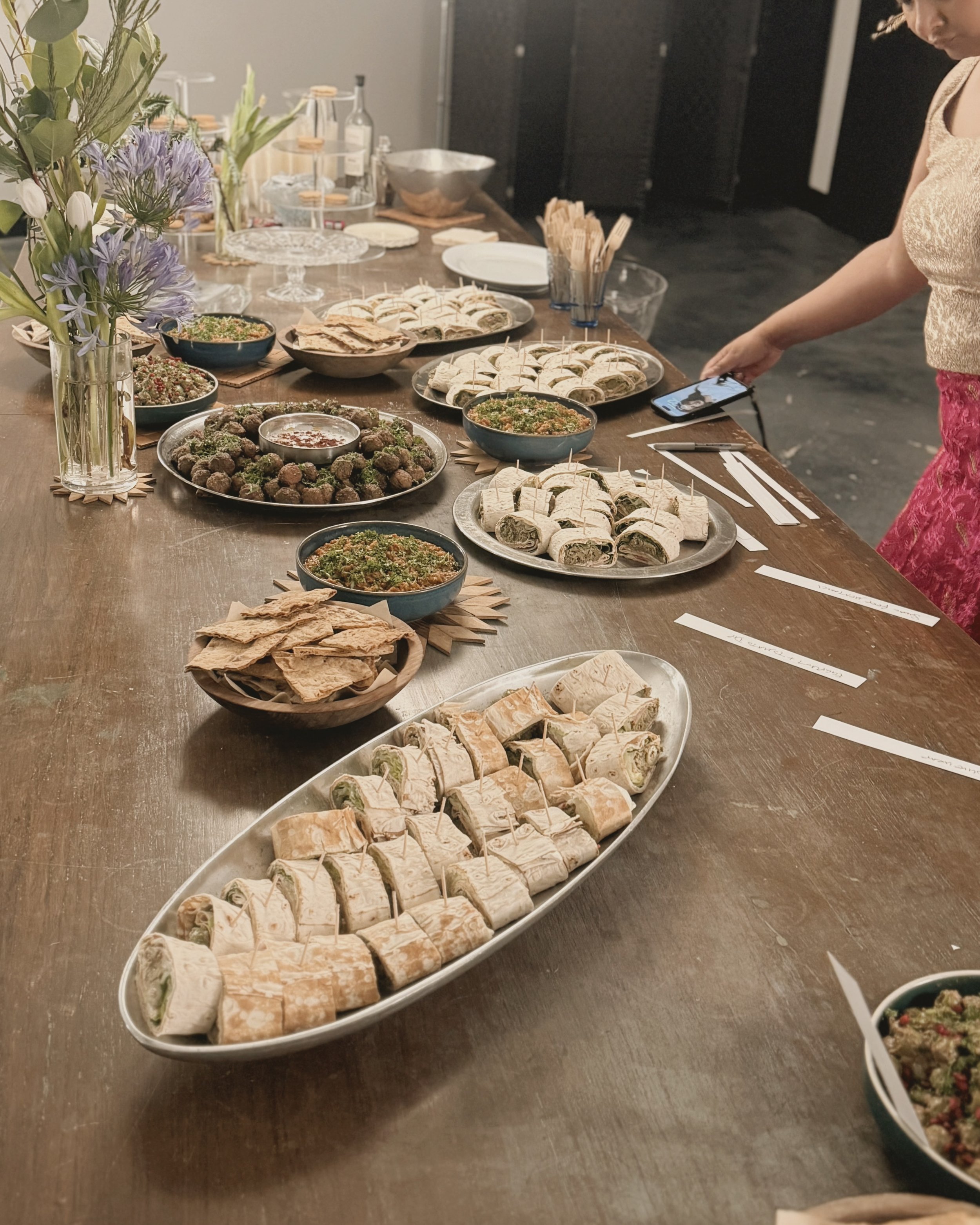
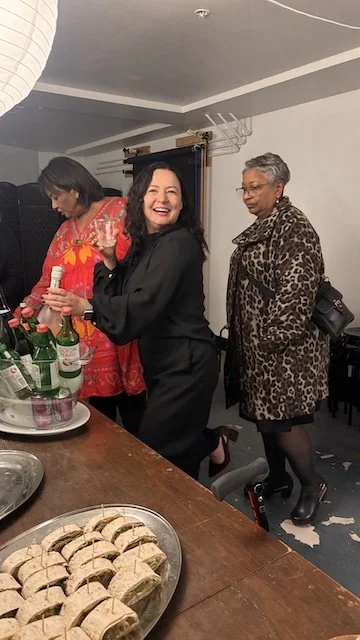
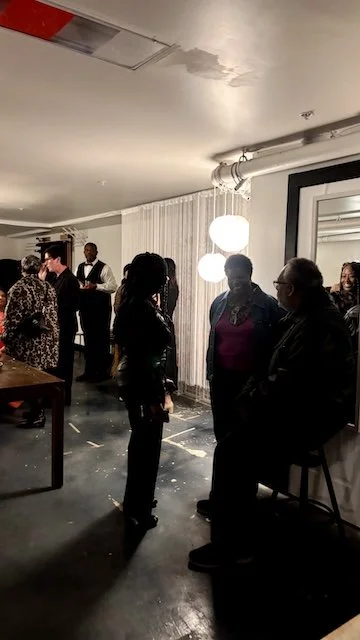
The second annual Jazz Listening Lounge: A collaborative evening centered on deep listening, migration, memory, and the global journey of jazz! Curated as an intentional listening experience, the project explored how jazz moves across borders, absorbs culture, and evolves while retaining its soul. From African American origins in New Orleans to Japanese reinterpretations, Brazilian influences, spiritual jazz, and contemporary diasporic sound, the set reflected on music as a living language shaped by exchange rather than isolation. The evening invited people of different ages, cultures, and backgrounds to slow down and experience music collectively, especially during a season that naturally calls us into reflection and connection. This project is part of my ongoing exploration of community-based creative exchange and intentional listening.
WATCH the video.
The following reflection by DJ Velvet Deva reveals the inspirations behind the music selected for the evening, tracing the sounds, memories, and migrations that informed the listening experience.
Jazz as Migration, Memory, and Living Practice
This collaboration began as a creative challenge that took shape back in October, when Michelle and I spoke more deeply about our artistic influences and the ways our respective practices intersect. At the time, I was working in eyewear, a field centered on vision, perception, and how we physically experience the world, which felt like the ideal place to explore my own artistic vision more intentionally. Around that same period, I had begun a “will DJ for” series, an experiment in stepping outside traditional capitalist exchange and into community-based collaboration, offering my art as a form of trade rooted in connection rather than transaction.
Shortly after those conversations, during a brief encounter at my day job, Michelle invited me to collaborate on something artistic and inspired. She asked me to come spend time in her space, to sit with it, feel its energy, and see whether I felt creatively moved to work together. That invitation felt less like a commission and more like an open-ended conversation rooted in trust, curiosity, and shared intuition.
I was encouraged to let my creativity run freely. Michelle’s attitude was deeply embracing and open, giving me space to experiment without expectation or constraint. I shared with her my reluctance to put myself out there again, shaped by how exploitative the music industry can often feel. Through our conversations, she offered me the opportunity to view my art from a less jaded perspective, one grounded in generosity, curiosity, and shared experience rather than extraction or outcome.
From that initial visit, we chose our first project, her second annual Jazz Listening Lounge. There was only one guiding rule for the evening, no smooth jazz. Instead, we wanted to center artists with an old-school sensibility and emotional grit, while also including modern voices that carry that lineage forward.
Michelle’s writing has been exploring religion and its historical journeys, including ancient pilgrimages, trade routes, and the ways belief systems travel, merge, fracture, and ultimately shape who we are today. I felt a deep resonance with that perspective, especially through music, and jazz in particular. To me, jazz mirrors these same migrations. It is not a fixed genre but a living language that moves across borders, absorbs local culture, and evolves without losing its soul, but rather adding to it.
The history of Kerala, traced through millennia of migration, trade, faith, language, and cultural exchange, offers a compelling parallel to the global journey of jazz music. Both are living systems rather than static traditions, shaped not by purity or isolation but by encounter and exchange. Jazz evolved through constant dialogue across borders, absorbing local textures while retaining a recognizable core.
Jazz originated in the late nineteenth and early twentieth centuries within African American communities in New Orleans, a port city defined by convergence. African rhythms, European harmony, Caribbean syncopation, and the lived experience of Black Americans shaped by enslavement and resistance all informed its emergence. Like early Vedic traditions preserved orally before codification, jazz began as an improvisational and communal language, transmitted through performance rather than text. Its earliest forms were fluid and adaptive, responding to social conditions rather than institutional frameworks. As trade routes, empire, and migration carried ideas across continents, jazz traveled outward from its point of origin. By the early twentieth century, American soldiers, touring musicians, records, and radio broadcasts brought jazz to Europe and Asia. In the United Kingdom, jazz absorbed music hall traditions and classical sensibilities, evolving through big bands, modernism, and later experimental scenes. In Japan, jazz arrived during the Taishō period and was embraced with remarkable intensity. Japanese musicians studied American recordings with scholarly devotion, mastering form and technique while reshaping jazz through local aesthetics such as precision, restraint, space, and reverence for lineage.
My earliest relationship with jazz is tied to my grandmother. She would pull me onto dance floors, snapping our fingers and tapping our toes, almost insisting that movement was just as important as listening. Jazz always felt slightly syncopated compared to how I instinctively understood rhythm, but it stayed with me, lingering in my body even when I did not yet have the vocabulary for it. Years later, memories of attending the Danny Boy Jazz and Blues Festival in Northern Ireland or wandering through the Wallingford Winter Blues and Jazz Festival with her have become some of my most cherished experiences of live music, community, and shared listening.
Beyond festivals, some of my most formative encounters with jazz came through anime. Series like Neon Genesis Evangelion and Cowboy Bebop were major literary and musical contributors to my internal sonic landscape, shaping how I understand pacing, emotional tension, and narrative through sound. From these influences, I played Japanese jazz and jazz-adjacent works such as “Rush” by The Seatbelts and “Thanatos (If I Can’t Be Yours)” by Loren and Mash. I also featured artists including Shigeo Sekito, whose work blends jazz harmony with early electronic experimentation; Ryo Fukui, whose piano playing embodies raw and emotionally direct post-bop; Sheena Ringo, who fuses jazz with avant-pop and cabaret traditions; and Nujabes, whose jazz-infused hip-hop redefined instrumental storytelling for an entire generation and continues to influence global beat culture.
Moving beyond Japan, I was deeply inspired by my travels in Brazil, particularly by the country’s historical and cultural ties to Japan through migration, shared labor histories, and artistic exchange. What stayed with me most was hearing people sing and hum aloud as they walked through the streets, recognizing music as something both lived and performed. It is a practice I carried home with me. Knowing that a friend of Michelle’s from Brazil would be attending the Listening Lounge made me especially excited to include Brazilian music in the set. Artists I played included Jorge Ben Jor, whose work helped define samba-rock and Afro-Brazilian popular music; Célia, whose soulful interpretations sit beautifully between samba and jazz; Sérgio Mendes, whose arrangements brought Brazilian jazz-pop to international audiences; and Evinha, whose lush and emotive vocals capture an intimacy that feels both nostalgic and timeless.
I was particularly drawn to the richness of female vocals through Brazil, and this carried throughout the evening, leading me to highlight women artists across regions and eras. This included Cleo Sol, whose music blends soul, jazz, and spiritual warmth; Amy Winehouse, whose voice carries the lineage of Billie Holiday and Sarah Vaughan with uncompromising modern honesty; and Erykah Badu, whose genre-defying sound bridges jazz, neo-soul, funk, and experimental rhythm.
Alongside these selections, I wove in artists who reflect jazz’s spiritual, experimental, and diasporic dimensions. Idris Muhammad, originally a New Orleans drummer steeped in R&B and jazz, later became a key figure in jazz-funk, bringing groove and physicality back into improvisational music. Yusef Lateef’s work represents jazz as inquiry, with his incorporation of non-Western instruments and scales helping to pioneer what would later be called world music. Contemporary artists like Macabre Plaza and Seraphine Noir explore jazz’s atmospheric and shadowed edges, merging lo-fi textures, noir aesthetics, and digital experimentation. Oreglo and the Brighter Days Family reflect jazz’s communal spirit, emphasizing collaboration, warmth, and emotional sincerity.
As someone who is half Zimbabwean and half British and now living in the United States, my listening habits and musical instincts are shaped by movement, hybridity, and cultural overlap. Jazz feels like home to me precisely because it has never belonged to one place. It is diasporic by nature, born from displacement, resilience, and collective memory. Prior to this project, I had never truly spent time listening to jazz in a focused and intentional way. The process slowed me down and created more moments to pause than my usual listening habits allow. Curating for a shared listening experience shifted how I related to the music, reminding me that community and the act of inspiring others can encourage internal growth in ways you do not always realize are possible.
Ultimately, the evening became a reflection on how the holiday season brings people together across religions, cultures, and traditions. Much like jazz itself, the Listening Lounge created space for shared presence, deep listening, and connection, allowing people to enjoy one another’s company regardless of where they come from or what traditions they hold.
Just as Judaism, Christianity, Islam, and multiple strands of Hindu philosophy entered Kerala largely through trade rather than conquest, jazz entered Japan and the United Kingdom as a cultural offering. Over time, these communities localized the sound. Japanese jazz did not become less authentic for being Japanese, just as Kerala’s Christianity was not diminished by being Indian. In both cases, authenticity emerged through continuity of spirit rather than strict adherence to origin.
Periods of disruption further reinforce this parallel. Across cultures and histories, dominant systems have attempted to sanitize, commodify, or control living traditions. Yet suppression often generates resistance and reinvention. Communities adapt, fragment, and evolve in order to preserve autonomy and meaning. Jazz followed a similar path, branching into bebop, free jazz, fusion, and spiritual jazz, with each movement asserting agency and reshaping the form in response to external pressures.
Ultimately, the evening became a reflection of how the holiday season brings people together across ages, religions, cultures, and walks of life. I tend to feel more emotionally open during this time of year, and the Listening Lounge became a shared and collective experience rooted in presence and care. Today, jazz exists everywhere and nowhere in particular. Musicians collaborate across borders, reinterpret traditions, and continue to reshape the form. The act of listening itself adds to the soul of the art, making each moment part of its ongoing evolution. Jazz reminds us that evolution is not erosion, but continuity through change. The music is still being written, still debated, and still reinvented, just as identity itself remains unfinished.